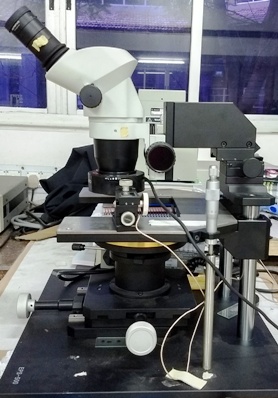
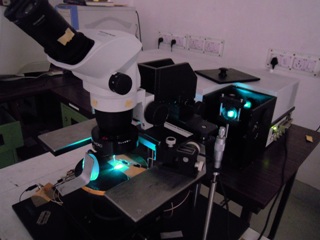
bulet Present Research Activities:


We are working on various aspects of Nanoscience and Nantechnology, in the field of semiconductor nanostructures, Carbon Nanotubes and Graphene.


bulet1

Semiconductor Nanostructures:
Semiconductor nanostructures are the most promising structures for studies of various uncommon fundamental properties (starting from electronic to optical properties) as well as fabrication of various nanodevices. The increasing degrees of quantum confinement have allowed to substantially altering the physical properties leading to fundamentally new physics under reasonable external conditions. In general nanostructures are falls in three distinct varieties of categories namely,
(1)  Zero-Dimensional: Quantum dots, Nanocrystals and Nanoparticles
(2)  One-Dimensional: Nanowires, Nanorods, Nanoribbons and Nanobelts
(3)  Two-Dimensional: Thinfilms, Quantum Well


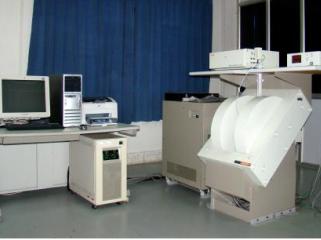
activity photo


Our group has synthesized various kinds of semiconducting nanostructurs (from nanocrystals to nanowires/nanorods) of various systems in a controlled way. The systems, which we are currently working are Silicon, Zinc Oxide, Germanium, Titanium Oxide etc.. To moderate the certain properties of the semiconducting nanostructures, we do heterostructures with suitable materials. For more details click here.


bullet2

Nanowires and heterostructures based optoelectronic devices:
One of the fascinating areas of application of semiconductor nanostructures has been in the area of optoelectronic devices, with the two most important areas being photodetectors and solar cells.


Our group has explored the enhanced photosensitivity and fast photoresponse properties from various ZnO nanowires heterostructures, which makes it a suitable candidate for the application of the UV-photodetectores.

For more details click here.


bullet3

Dilute Magnetic Semiconductors:
Dilute magnetic semiconductors, where transition metal atoms are introduced into the cationic sites of the semiconducting host lattice, which also taking attention of the researchers because of their potential use in spintronic devices. In these systems carrier spins are used to transport, store and process information in novel ways to increase speed and storage capacity.


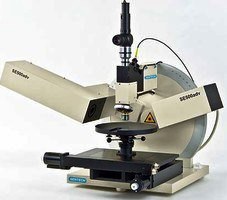
activity photo


We have developed new kinds of dilute magnetic semiconductors in ZnO and TiO2 systems, which can show high ferromagnetic behavior even at room temperature. For more details click here.


bullet4

Strain engineering in semiconducting Nanocrystals:
It is known that the electronic band-structure of the semiconducting nanocrystals can be modifying by reducing size due to quantum confinement effect. However, strain can also alter the band-structure and hence the optical properties (absorption and emission behavior). Therefore, along with the quantum confinement effect, strain engineering would enable tunable visible light emission and fast-switching light-emitting devices from indirect bandgap materilas.


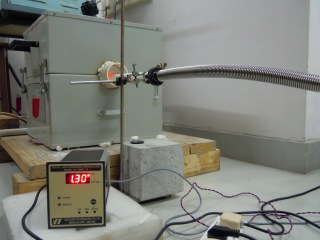
activity photo
Our group has synthesized ultrafine and strained nanocrystals of two indirect bandgap materials namely, Silicon and Germanium. Both the systems emit light in visible region (green-red) and color of the emitted light can be tuned by strain engineering in a controlled way. For more details click here.


bullet5

Carbon Nanotubes and Graphene:
Carbon nanotubes and graphene have numerous potential applications as nano-electronic and nanophotonic devices. However, various kinds of defects and impurities in the as-grown and purified or processed carbon nanotubes alter the band structure in different ways, limiting applications of carbon nanotubes as devices. The synthesis of graphene with very few layers of carbon chains is one of challenging tusk, and synthesis contains use of several hazardous chemicals and precursor gases.


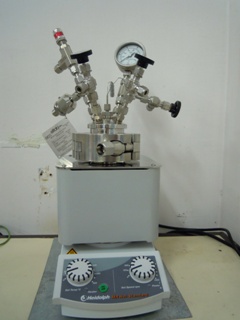
activity photo
We identified several new types of structural defects in the carbon nanotubes and studied the influence of these defects on the optical properties and fluorescence quenching behaviors. For nano-engineering of carbon nanotubes, defects were introduced in a controlled way by low energy ion-irradiation. We also successfully synthesized good quality monolayer grapheme by a safer solvothermal route. For more details click here.


bulet2 Research Facilities:


  • In our Laboratory/Department:

  •  

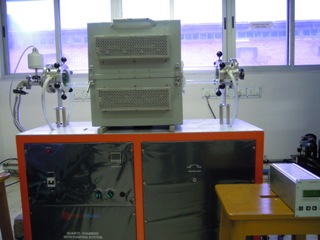
    cvd image

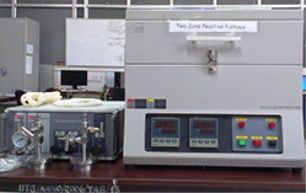
     Chemical Vapor Deposition System


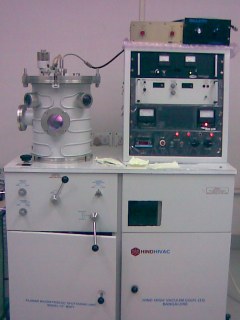
          sputtering image

    Magnetron Sputtering (DC and RF)


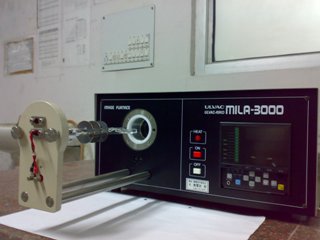
    RTA image

          Rapid Thermal Annealer


          profilo image

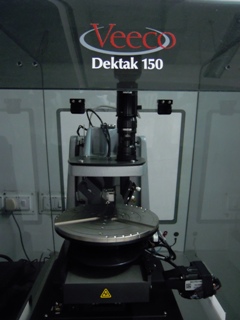
            Thin film Profilometer


    UV image

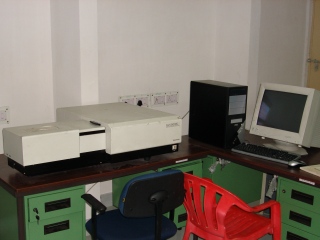
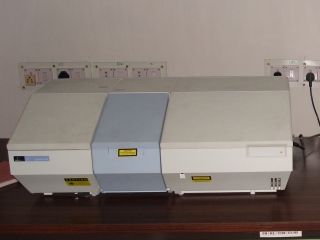
      UV-vis-NIR Spectrophotometer


  • In CIF, IIT Guwahati:
  •  

    fesem image

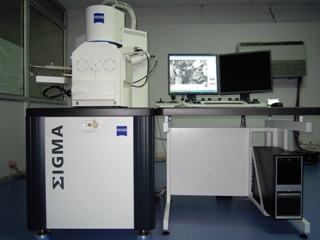
            Field Emission SEM


          tem image

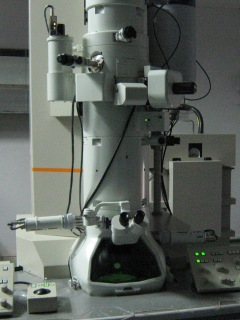
      Transmission Electron Microscope


esr image

Electron Spin Resonance Spectrometer


tvd image

    Themal Vapor Deposition System


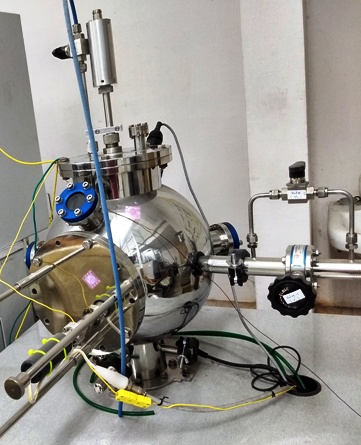
      autoclave

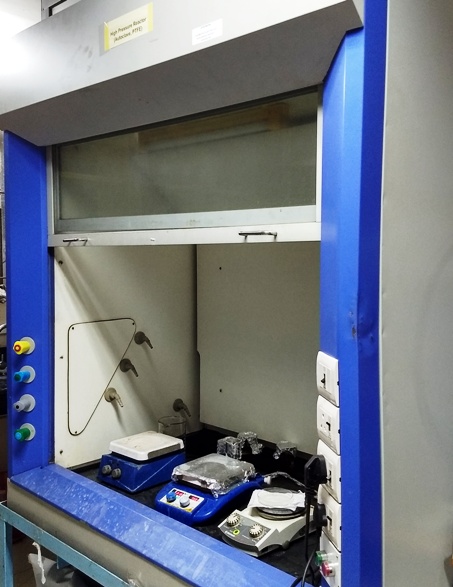
Closed Reaction Chamber (autoclave)


Ebeam image

  Electron Beam Evaporation Unit


      xrd image

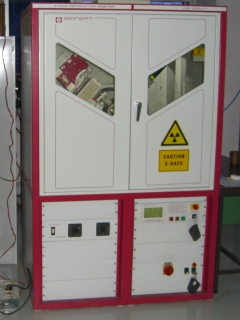
          X-Ray Diffractometer


ftir image

FourierTransform Infrared Spectrometer


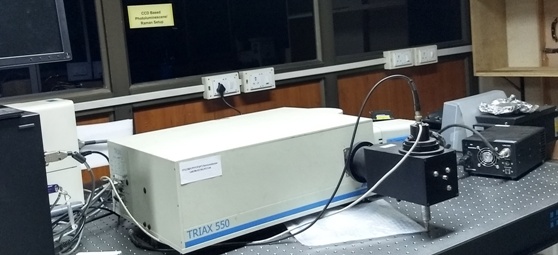
Raman image

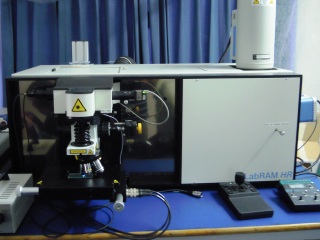
          Raman Spectrometer


      spm image

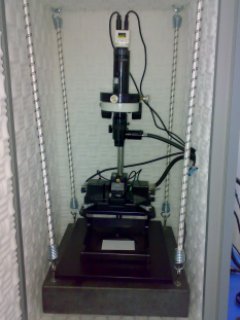
    Scanning Probe Microscope


dsc image

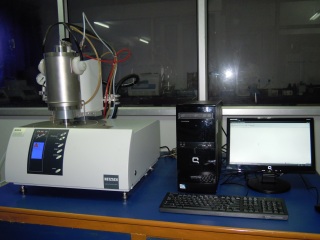
  Differential Scanning Calorimeter


thermal image

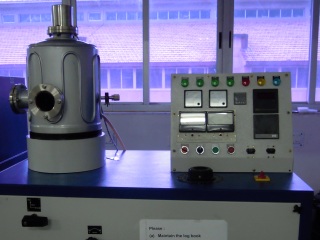
    Thermal Evaporation Unit


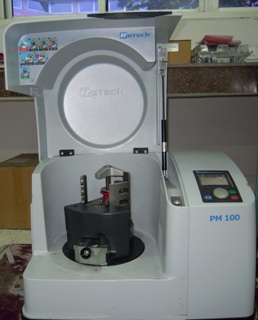
      ball milling image

              Planetary Ballmill


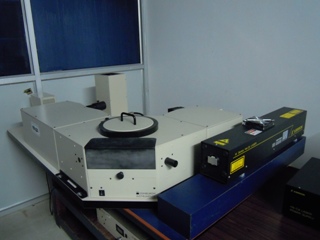
PL image

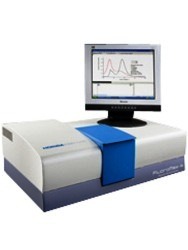
      Flurescence Spectrometer


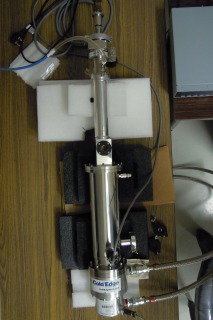
      cryo image

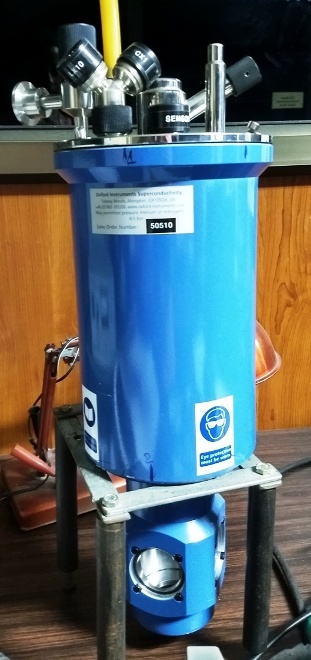
    Closed Cycle Helium Cryostat


optodevice measurement image

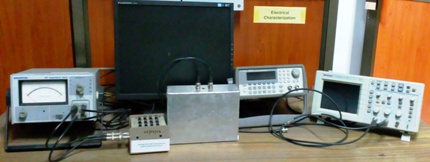
Optoelectronic Properties Measurement

System


trpl image

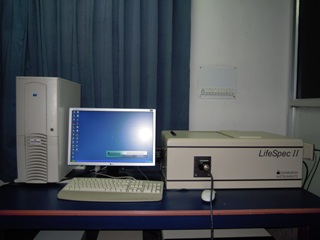
    Time-Resolved PL Spectrometer


      vsm image

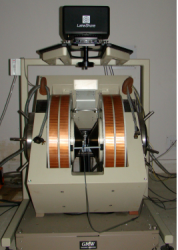
   Vibrating Sample Magnetometer


squid

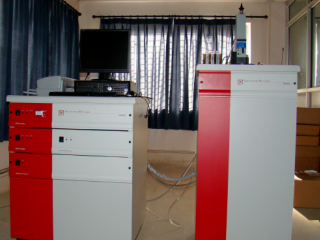
Superconducting Quantum Interface Device